The Annual Meeting of the UNESCO Creative Cities Network Began in Gabrovo
The Annual Meeting of the UNESCO Creative Cities Network in the “Crafts and Folk Art” category has begun in Gabrovo—one of the most significant international events on the organization’s calendar, bringing together representatives from dozens of cities across all continents.
The meeting, which will continue through September 19, recognizes Gabrovo’s active role in the global network and the city’s consistent efforts to connect its rich heritage with new forms of creativity and contemporary cultural practices.
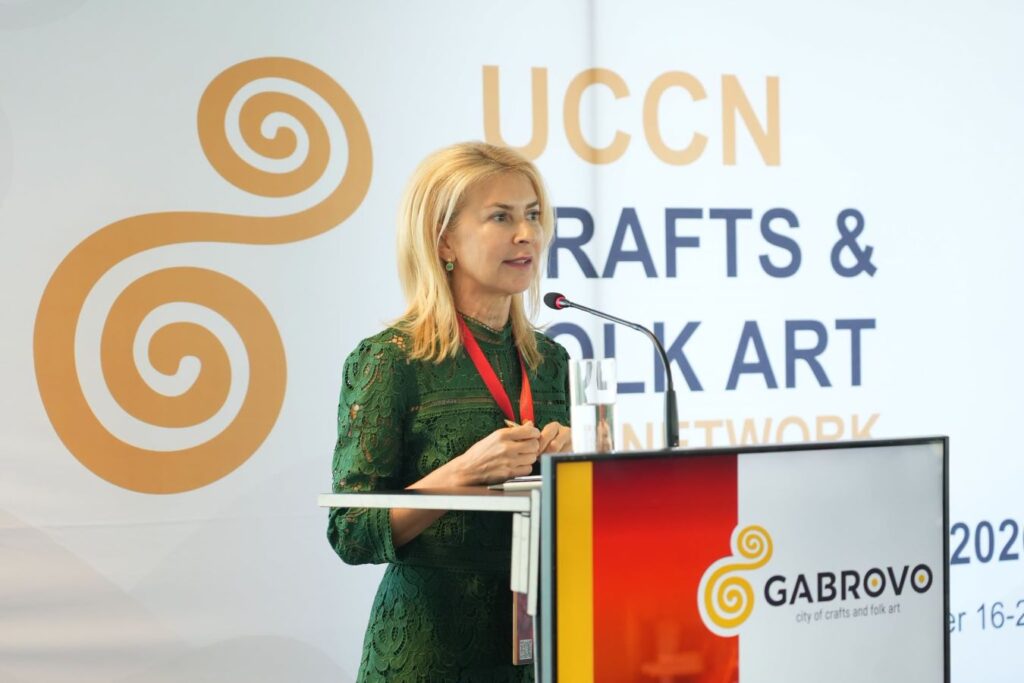
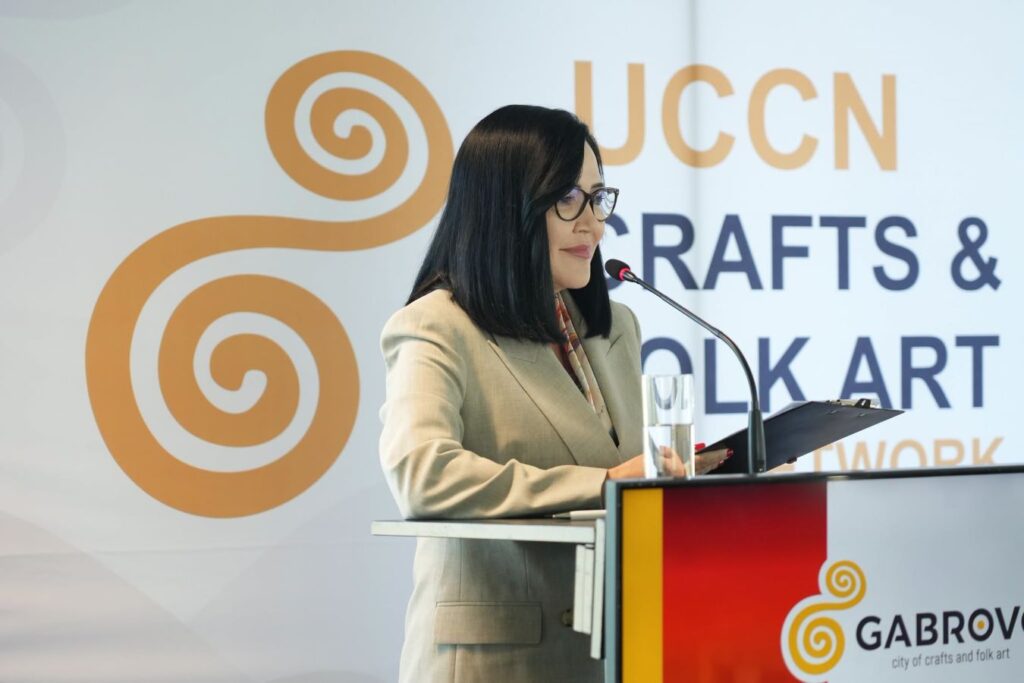
Delegates from Australia to Latin America, from Asia to Africa, as well as online participants, are gathered in Gabrovo. Gabrovo Mayor Tanya Hristova welcomed the guests, emphasizing the importance of creativity as a universal language that connects people across borders, cultures, and traditions: “Creativity is not a luxury. It is a way of life. It lies in the hands of the master craftsman, in the imagination of the artist, and in the knowledge passed down from generation to generation.”
In her remarks, the mayor emphasized the relevance of this year’s theme, “The Power of Human Creativity for a Peaceful World,” noting that in a time of global challenges, culture and creative skills play a key role in building sustainable and connected societies.
“When societies are under pressure, culture becomes even more important. A song can bring people together. A craft can preserve identity. A festival can create a sense of belonging.”
Hristova also addressed a special message to the online participants, emphasizing the importance of their presence: “Your participation proves something important, and that is that a creative network does not need physical boundaries to bring people together.” “A network isn’t created by a logo or a website. A network is created by people who share, listen, and believe that creativity can make our cities better.”
Mayor Tanya Hristova wished the participants inspiring conversations, new friendships, and “a few really good jokes,” because, as she emphasized: “If we meet in Gabrovo and no one laughs… we’ll just have to organize the meeting again.”
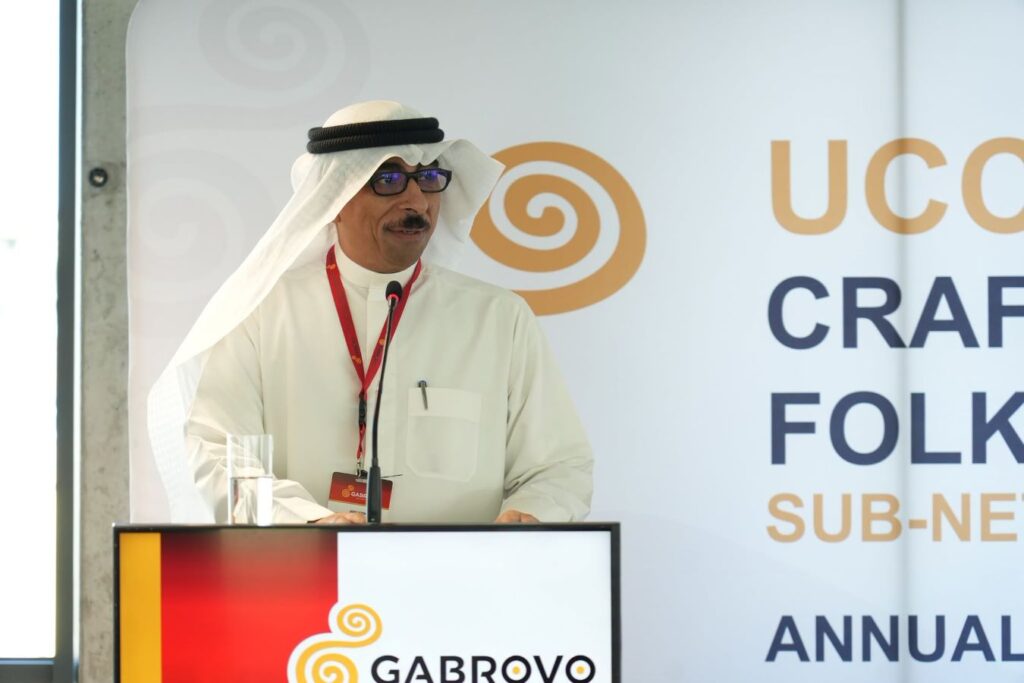
Irena Todorova, director of the Regional Center for the Safeguarding of Intangible Cultural Heritage in Southeast Europe under the auspices of UNESCO, also delivered a greeting, stating: “For us, intangible cultural heritage is not simply something preserved in the past. It lives on through people and communities. It lives in the hands of artisans, in the knowledge of tradition bearers, in music and stories, in rituals and festivals, and in the creative ways in which this heritage continues to find meaning in contemporary life. And that is precisely why today’s gathering is so significant.”
“It is a great honor for Bulgaria to host this international meeting. Our country has a rich and diverse intangible cultural heritage, and the region of Southeast Europe itself is a place where traditions have traveled across borders, generations, and communities for centuries,” Todorova added.
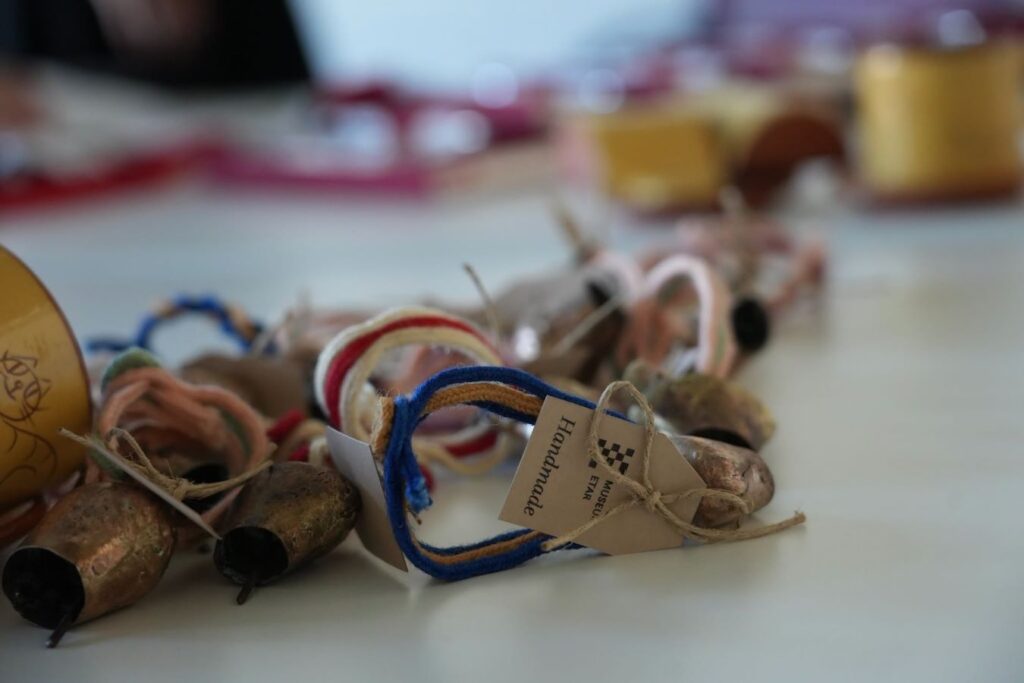
The meeting’s program includes a Mayors’ Forum, professional discussions, creative workshops, demonstrations, visits to iconic cultural sites such as the Museum of Humor and Satire and the Etar Open-Air Museum, as well as opportunities to exchange best practices and build new partnerships.
Gabrovo was selected to host the event following a vote among Creative Cities in the “Crafts and Folk Art” category, in which it competed against Montecristi (Ecuador) and Aregua (Paraguay). This directly contributes to establishing the city as a strong cultural center and supports its bid for European Capital of Culture 2032.